Roof Lanterns: Energy-Efficient Architectural Enhancements
Your Essential Roof Lanterns Buyer's Guide: All the Information You Must Know
When assessing roof lanterns, homeowners often overlook important aspects that affect their choice. Comprehending styles, materials, and installation requirements is essential. Each element plays a role in both aesthetics and performance. Additionally, the right measurements and maintenance practices can greatly impact the lantern's longevity. Exploring these factors will help anyone make an informed decision about enhancing their space with natural light. The following sections will provide greater understanding into each consideration.
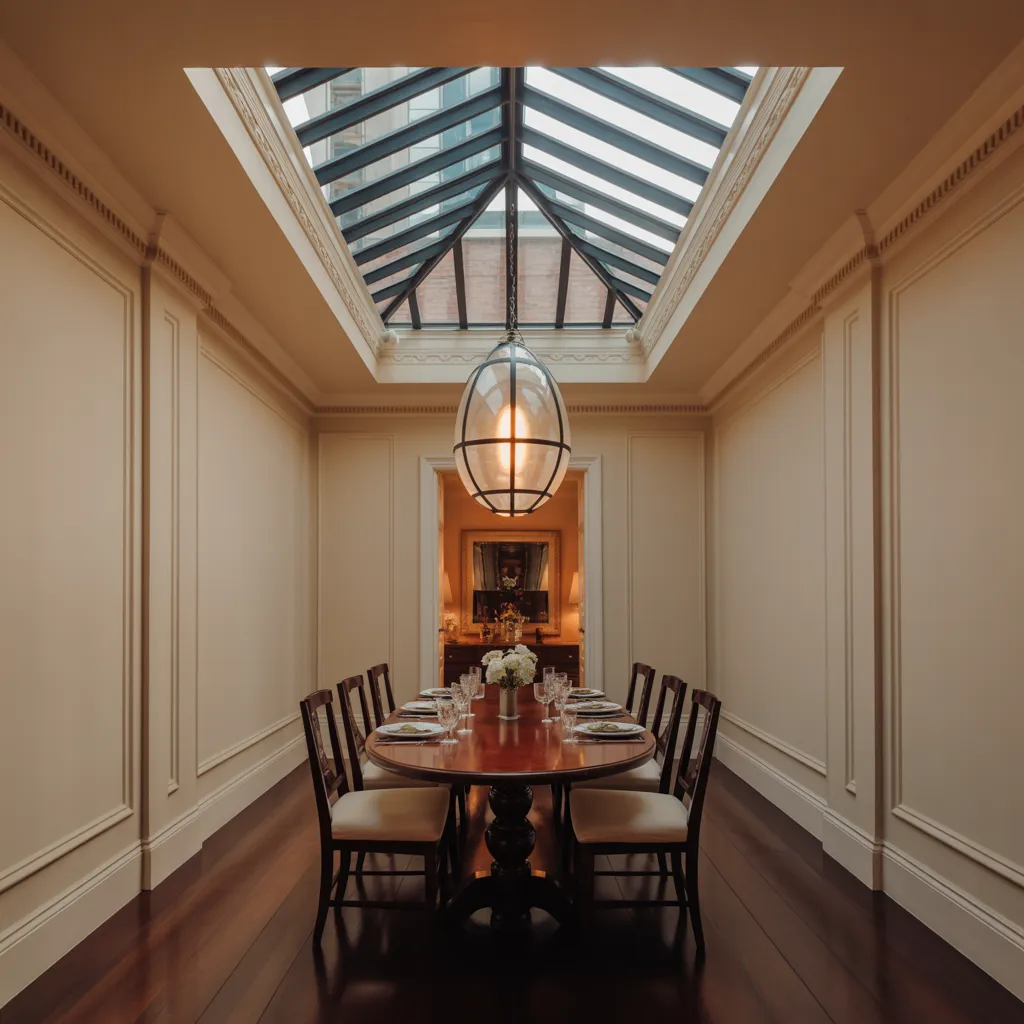
The Advantages of Placing a Roof Lantern
When homeowners consider improving their living spaces, installing a roof lantern often becomes a compelling option. This architectural feature not only elevates the aesthetic appeal of a home but also increases natural light, creating a lighter, more welcoming environment. By letting sunlight to flood in, roof lanterns can significantly decrease the need for electric lights during the day, resulting in potential power cost reductions.
Furthermore, roof lanterns can improve ventilation, boosting air flow within a space. This characteristic is particularly beneficial in areas such as kitchens or living rooms, where fresh air is essential. In addition, they can add perceived height to a room, making spaces feel more spacious and more open. Homeowners may also discover that a roof lantern increases the overall value of their property, appealing to prospective buyers. In the end, the installation of a roof lantern can transform a home, merging practicality with elegance.
Popular Types of Roof Lanterns to Think About
Roof lanterns come in a variety of designs, each offering distinct features that can complement various architectural aesthetics. One popular style is the traditional lantern, known for its elaborate details and classic proportions, often suited for period homes. In contrast, contemporary or modern roof lanterns feature clean lines and minimalist designs, making them suitable for modern builds. Another notable style is the pyramid lantern, adding a unique geometric element, perfect for enhancing roof symmetry. Flat or skylight lanterns offer a streamlined appearance, fitting perfectly into the roofline and maximizing light without dominating the space. Additionally, vaulted lanterns, featuring a raised center, create a striking look and enhance the sense of height within a room. Every style presents specific benefits, enabling homeowners to select a roof lantern that suits their personal taste and the overall design of their property.
Optimal Resources for Your Roof Lantern
Selecting the appropriate material for a roof lantern is crucial review article for longevity and visual attractiveness. Common materials include aluminum, timber, and uPVC, each offering unique benefits. Aluminum is lightweight and corrosion-resistant, making it a preferred option for contemporary aesthetics. Its ability to be powder-coated allows for a variety of colors, improving visual appeal.
Timber introduces a natural warmth and character, well-suited for classic environments. However, it demands routine care to ward off environmental wear. The choice of premium hardwoods can boost durability, but they can be costlier.
uPVC provides a budget-conscious choice celebrated for its minimal maintenance and energy conservation. It is impervious to rot and can mimic the aesthetic of wood without the upkeep.
Ultimately, the material selection should align with the preferred aesthetic, maintenance requirements, and environmental considerations, ensuring the roof lantern suits the overall architecture of the home.
How to Select the Optimal Proportions for Your Location
When picking a roof lantern, precise measurements of the room are vital for ensuring a proper fit. Additionally, adjustments for ceiling height can greatly influence the overall aesthetics and functionality of the space. Thoughtful examination of these factors will lead to a more seamless blend of the lantern into the room.
Calculate Your Room Size
To make sure that a roof lantern suits a space rather than overwhelms it, precise room measurements are essential. Homeowners should commence by measuring the length and width of the room where the lantern will be installed. This gives a foundation for selecting the appropriate size. It is also vital to consider the room layout and existing architectural features, such as windows and doors, which may affect the lantern's placement. A accurately measured room allows the selection of a lantern that improves aesthetics and functionality. Additionally, visualizing the lantern's size in the intended space can assist in making an informed decision. This careful analysis ensures that the roof lantern becomes a well-balanced addition to the room.

Consider Evaluating Ceiling Height Modifications
In what way does the height of a ceiling affect the selection of a roof lantern? The measure of a ceiling is vital in deciding the right size and design of a roof lantern. Taller ceilings can fit bigger, more striking lanterns that serve as a highlight in the room. On the other hand, lower ceilings may need smaller designs to avoid crowding the space. Moreover, the height influences where the lantern is placed; it should be set to make the most of natural light while not blocking views or causing a cramped atmosphere. Therefore, measuring ceiling height is crucial for choosing a lantern that matches the room's scale, improving both aesthetics and practicality. In the end, a properly chosen roof lantern can create a welcoming and open environment.
Important Considerations to Think About When Choosing Your Roof Lantern
What factors should one consider when choosing the right roof lantern? First, the measurements and sizing of the lantern must enhance the space. An excessively sized lantern can overwhelm a small room, while a undersized option may seem trivial. Next, the appearance should coordinate with the architectural style of the property; modern homes may take advantage of clean, simple aesthetics, whereas traditional homes might call for elaborate details.
Another important consideration is material. Choices vary from aluminum to timber, each providing unique styles and durability capacities. Also, the glazing type influences both insulation and natural light; double or triple glazing ensures optimal energy efficiency.
To summarize, the specific purpose of the space should direct the decision. A kitchen or living area may need more light than a hallway. By considering these factors, individuals can ensure their choice improves both functionality and visual appeal.
Easy Approaches to Set Up Your Roof Lantern
Putting in a roof lantern demands possessing the proper equipment which is essential for a smooth process. This section outlines a clear, step-by-step approach to guarantee successful placement. By following these guidelines, homeowners can obtain a secure and visually appealing outcome.
Equipment You'll Need
A roof lantern fitting needs a set of critical tools to ensure a flawless and successful installation process. To start, a measuring tape measures the accurate dimensions of the opening and the lantern itself. A level is vital for ensuring the lantern rests level, helping to prevent leaks or structural problems later on. A power drill is required to create pilot holes and fasten screws, and a utility knife is helpful for cutting required materials. Wearing safety glasses and gloves is important to protect against sharp edges and debris. Furthermore, a ladder or scaffold provides safe access to the installation site. Having these tools on hand will streamline the installation, ensuring the task is easier and more successful.
Straightforward Step-by-Step Directions
A proper roof lantern installation can markedly enhance both the visual appeal and usability of a space. To begin, verify the area is clean and free from debris. Next, precisely measure and mark the size of the lantern frame on the roof. Cut the opening accurately, using proper tools. Install a waterproof membrane around the edges to prevent leaks. Once prepared, place the lantern in the opening, making sure it is even and secure. Fasten it with screws and apply sealant around the edges for added security. Finally, connect any electrical components as necessary, ensuring compliance with safety standards. After installation, inspect the lantern for stability and test for any leaks during rainfall. Proper installation provides longevity and performance.
Instructions to Properly Maintain Your Roof Lantern and Prolong Its Lifespan
Caring for a skylight is important to ensure its longevity and aesthetic appeal. It is essential to regularly clean it; debris, filth, and algae can accumulate, obstructing the light and damaging materials. Homeowners should use a soft soap mix and a delicate cloth to clean gently the glass panels and frames, avoiding harsh chemicals that could result in color changes or damage.
By consistently inspecting seals and flashing, you can assist prevent leaks and water damage. Any visible indications of wear should be addressed quickly, either through resealing or replacement. Additionally, examining for loose components, such as screws and copyrights, ensures structural integrity.
Seasonal maintenance, chiefly before winter, is necessary. Removing snow and ice reduces excessive weight and prospective breakage. Finally, speaking with a professional for intermittent inspections can identify issues that may not be immediately visible, safeguarding the roof lantern's effectiveness and appearance for years to come.
Popular Inquiries Asked Regularly
Do roof lanterns function When fitted on flat roofs?
Roof lanterns can definitely be fitted on flat roofs, provided appropriate waterproofing and structural support are established. This installation facilitates natural light enhancement and decorative charm while maintaining resilience against weather conditions.
What Is the Typical Cost of a Roof Lantern?
A roof lantern usually costs between £500 and £2,500 on average, determined by various factors including size, materials, and design. The final price may be additionally impacted by custom options and installation fees.
Can Roof Lanterns Assist with Reducing Energy Consumption?
Roof lanterns are energy-efficient, particularly when manufactured using quality double or triple-layer windows. They maximize natural light, potentially minimizing reliance on artificial lighting, which can lead to decreased energy expenditure and monetary savings over time.
How Do Roof Lanterns Affect Home Coverage?
Roof lanterns could positively impact home insurance by enhancing home value and improving visual aesthetics. However, if carelessly installed or not properly maintained, they might increase damage vulnerability of damage, which could lead to higher premiums or claims.
Is My Roof Lantern Look Customizable?
Yes, ceiling light designs can be personalized. Homeowners may select various materials, configurations, and proportions to suit their style choices and architectural style. Personalization options boost both usefulness and visual appeal in home design.